
Caring for Pocket Pets: What Every Owner Should Know
At Rush Animal Care in Johnston, IA, pocket pets hold a special place in the hearts of many families. These small companions, which may include rabbits, guinea pigs, hamsters, gerbils, ferrets, and other small mammals, bring joy and personality into the home. Despite their size, pocket pets have unique health needs that require attentive, knowledgeable veterinary care.
Because pocket pets are prey animals by nature, they instinctively hide signs of illness. By the time subtle symptoms become noticeable, a condition may already be advanced. This makes routine veterinary visits especially important. Preventive care helps detect concerns early and provides guidance on proper nutrition, habitat setup, and handling practices that support long-term health.
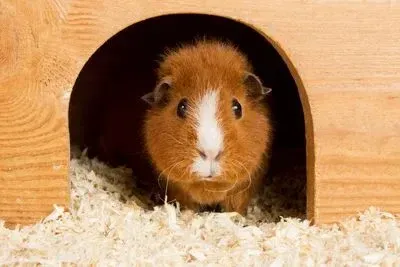
Unique Health Needs of Small Mammals
Each type of pocket pet has specific dietary and environmental requirements. Rabbits and guinea pigs, for example, require a high-fiber diet that includes unlimited hay to maintain proper digestive function and dental health. Their teeth grow continuously, and improper nutrition can lead to painful overgrowth and difficulty eating. Ferrets have very different needs, thriving on high-protein diets and requiring enrichment to support their curious, energetic nature.
Temperature sensitivity is another important consideration. Many small mammals are vulnerable to heat stress and drafts. Proper cage placement, bedding materials, and ventilation play a significant role in maintaining a safe environment. Regular cleaning reduces the risk of respiratory infections and skin conditions.
Common Medical Concerns
Pocket pets are prone to certain health issues that benefit from prompt veterinary attention. Dental disease, gastrointestinal stasis, respiratory infections, parasites, and skin problems are among the most common concerns. Changes in appetite, stool production, activity level, or breathing patterns should never be ignored.
Because of their small size, pocket pets can decline quickly when ill. Early intervention often leads to better outcomes and shorter recovery times. Veterinary evaluations may include physical examinations, diagnostic imaging, or laboratory testing tailored to the species and presenting symptoms.
The Importance of Preventive Care
Routine wellness exams provide an opportunity to establish a health baseline and monitor changes over time. During these visits, veterinarians assess body condition, dental health, coat quality, and overall behavior. Owners can receive personalized advice on nutrition, habitat design, and enrichment strategies that promote physical and mental well-being.
Building a relationship with a veterinary team experienced in pocket pet care offers peace of mind. With attentive monitoring and informed guidance, these small companions can enjoy longer, healthier lives.
For compassionate, knowledgeable care tailored to small mammals, schedule an appointment at Rush Animal Care in Johnston, IA, by calling (515) 270-2240. Proactive veterinary support is one of the most important steps in ensuring a happy and healthy life for your pocket pet.
